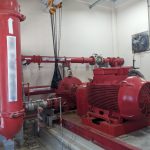


Retrofit, Supply, Installation and Commissioning of an Electric Motor-Driven Fire Pump System
- Home
- Lq-project
- Engineering, Retrofit and Commissioning of an Industrial Product Transfer Pumping and Piping System
project details
Let’s Start Work
Together
Please feel free to contact us. We will get back to you with 1-2 business days. Or just call us now.
About Project
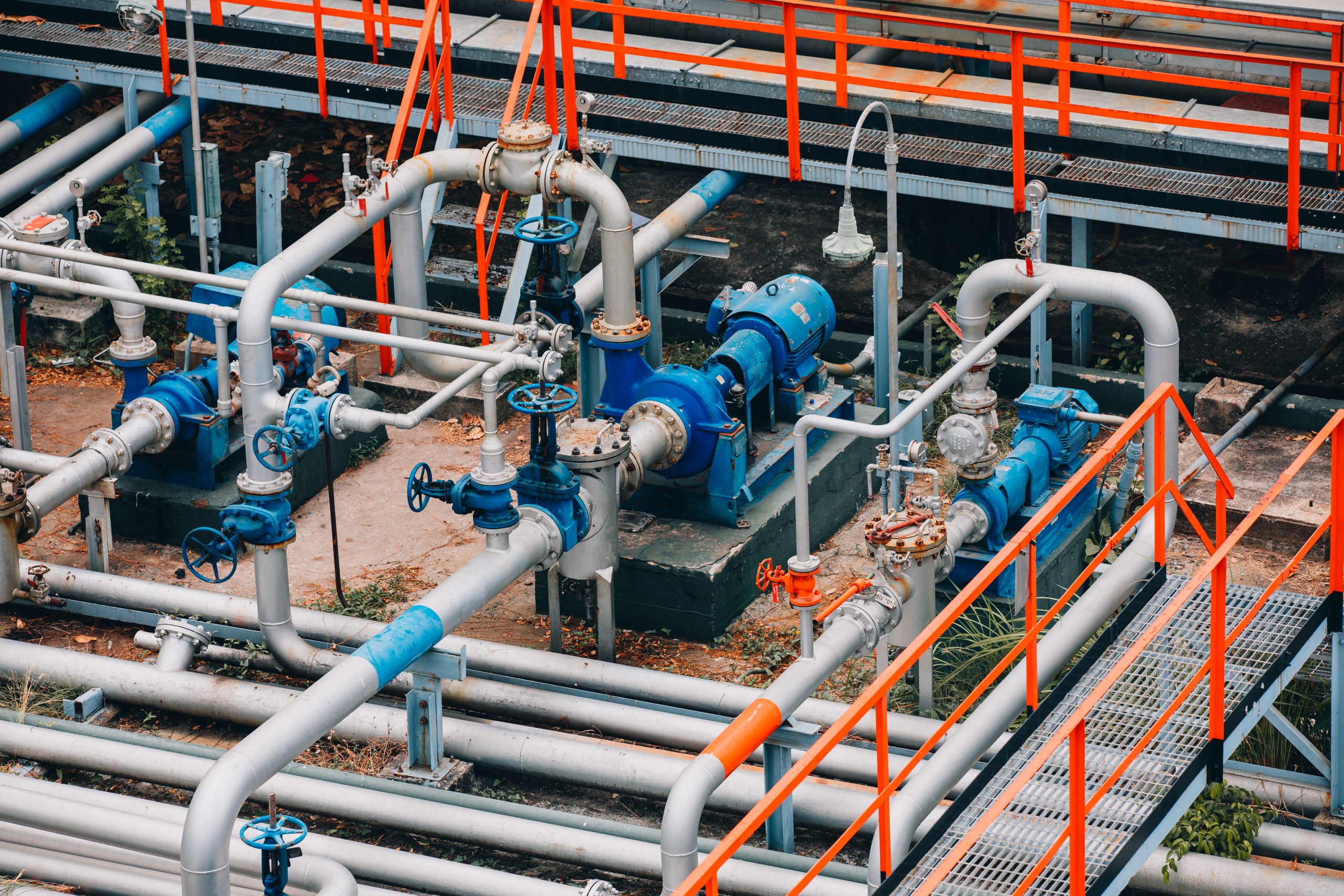
The project involved the engineering assessment, retrofit, piping modification, installation, and commissioning of an existing product-transfer pumping system at an industrial fuel storage and distribution facility.
The client required improvements to the facility’s liquid-transfer capacity, system reliability, and operational flexibility. The existing arrangement had limited redundancy and required modifications to accommodate upgraded pumps, additional valves, revised piping routes, and improved isolation provisions.
Solcrest reviewed the existing equipment and piping arrangement, developed the required retrofit configuration, supplied the necessary pumps and mechanical materials, and completed the field installation and commissioning activities.
The upgraded system was designed to support bulk product transfer between storage tanks, loading facilities, and process areas while allowing individual pumps and piping sections to be safely isolated for maintenance.
- Pump Configuration: Two Duty Pumps and One Standby Pump
- Pump Type: Horizontal End-Suction Centrifugal Pumps
- Rated Flow per Pump: Approximately 250 m³/hour
- Total Dynamic Head: Approximately 50 metres
- Motor Rating: Approximately 75 kW per Pump
- Electrical Supply: 400 V, Three-Phase, 60 Hz
- Suction Pipe Size: DN200
- Discharge Pipe Size: DN150
- Main Header Size: Up to DN250
- Piping Material: Carbon Steel, Schedule 40
- Flange Rating: ASME Class 150
- Design Pressure: Approximately 10 bar
- Hydrostatic Test Pressure: Approximately 15 bar
- System Medium: Petroleum-Based Liquid Product
- Operating Arrangement: Transfer, Recirculation and Controlled Line Routing
- Design Basis: Applicable ASME B31.3 requirements and accepted API pumping practices
Our Client’s Challenge
The existing product-transfer system had been operating for several years and was experiencing reduced pumping performance, limited equipment redundancy, and increasing maintenance requirements.
The client needed to upgrade the system without completely replacing the existing facility infrastructure. The work had to be carefully coordinated because the surrounding piping network remained connected to active tanks and operating transfer lines.
Key project challenges included:
- Verification of undocumented existing piping routes
- Restricted working space around operating equipment
- Integration of new pumps into the existing suction and discharge headers
- Limited shutdown periods for piping tie-in activities
- Requirement to maintain safe product isolation during construction
- Control of piping loads transferred to pump nozzles
- Need for improved isolation, bypass, and recirculation provisions
- Coordination of mechanical, electrical, civil, and operational activities
- Requirement to verify system performance before final turnover
The client required a retrofit solution that would improve transfer capacity while minimizing disruption to ongoing facility operations.
Our Approach And Solution
Our Approach and Solution
Solcrest conducted a detailed site survey and engineering assessment of the existing pumps, foundations, piping routes, valves, instruments, and electrical provisions.
The proposed retrofit retained serviceable sections of the existing system while replacing or modifying critical components affecting performance, safety, and maintainability. New pump units were selected based on the required product flow, system pressure, piping losses, and expected operating conditions.
A revised piping arrangement was developed to provide proper suction conditions, discharge isolation, check-valve protection, recirculation capability, and equipment accessibility.
The project scope included:
- Site inspection and verification of existing equipment
- Review of required transfer flow and pressure
- Hydraulic evaluation of the existing piping system
- Selection and supply of replacement centrifugal pumps
- Verification of motor capacity and electrical compatibility
- Preparation of piping layouts and fabrication drawings
- Preparation of material take-off and installation requirements
- Supply of pipes, fittings, flanges, valves, and accessories
- Removal of selected existing pumps and piping sections
- Modification of concrete foundations and equipment bases
- Installation of new pumps, motors, and couplings
- Fabrication and installation of suction and discharge piping
- Installation of isolation and non-return valves
- Installation of bypass and recirculation lines
- Installation of pressure gauges and instrument connections
- Fabrication and installation of independent pipe supports
- Pump and motor alignment using precision instruments
- Controlled piping tie-in during the approved shutdown period
- Welding inspection and dimensional verification
- Hydrostatic pressure testing of modified piping
- System flushing and internal cleaning
- Electrical rotation and motor-current verification
- No-load and loaded operational testing
- Monitoring of flow, pressure, vibration, temperature, and leakage
- Final performance verification and system commissioning
- Turnover of testing records and maintenance recommendations
Special attention was given to pump suction conditions, piping alignment, valve accessibility, and independent support of the piping system to prevent excessive loads from being transferred to the pump casings.
Project Outcome
The product-transfer pumping and piping retrofit was successfully completed within the approved project schedule and shutdown window.
The upgraded system achieved the required flow and discharge-pressure conditions during commissioning. Pump alignment, vibration, motor current, bearing temperature, piping integrity, and valve operation were verified before final turnover.
The completed installation provided the facility with:
- Increased product-transfer capacity
- Improved operational redundancy
- More reliable pump performance
- Better isolation of individual equipment
- Improved maintenance access
- Reduced risk of unplanned transfer interruptions
- Greater flexibility in routing and recirculating stored products
The project demonstrated Solcrest’s capability to execute complex brownfield mechanical works involving engineering review, equipment supply, piping fabrication, controlled tie-ins, testing, and commissioning within an operating industrial facility.