

Engineering, Design and Fabrication of 10 Portable Fuel Polishing Systems for Retail Fuel Station Deployment
- Home
- Lq-project
- Engineering, Design and Fabrication of 10 Portable Fuel Polishing Systems for Retail Fuel Station Deployment
project details
Let’s Start Work
Together
Please feel free to contact us. We will get back to you with 1-2 business days. Or just call us now.
About Project
The project involved the engineering, design, fabrication, testing, and delivery of 10 portable fuel polishing systems for a project management contractor supporting retail fuel facilities in the Philippines.
The client initially required one portable unit for field deployment and operational evaluation. The system was intended to provide an on-site solution for diesel contamination at retail fuel stations, where permanent filtration equipment would not be practical.
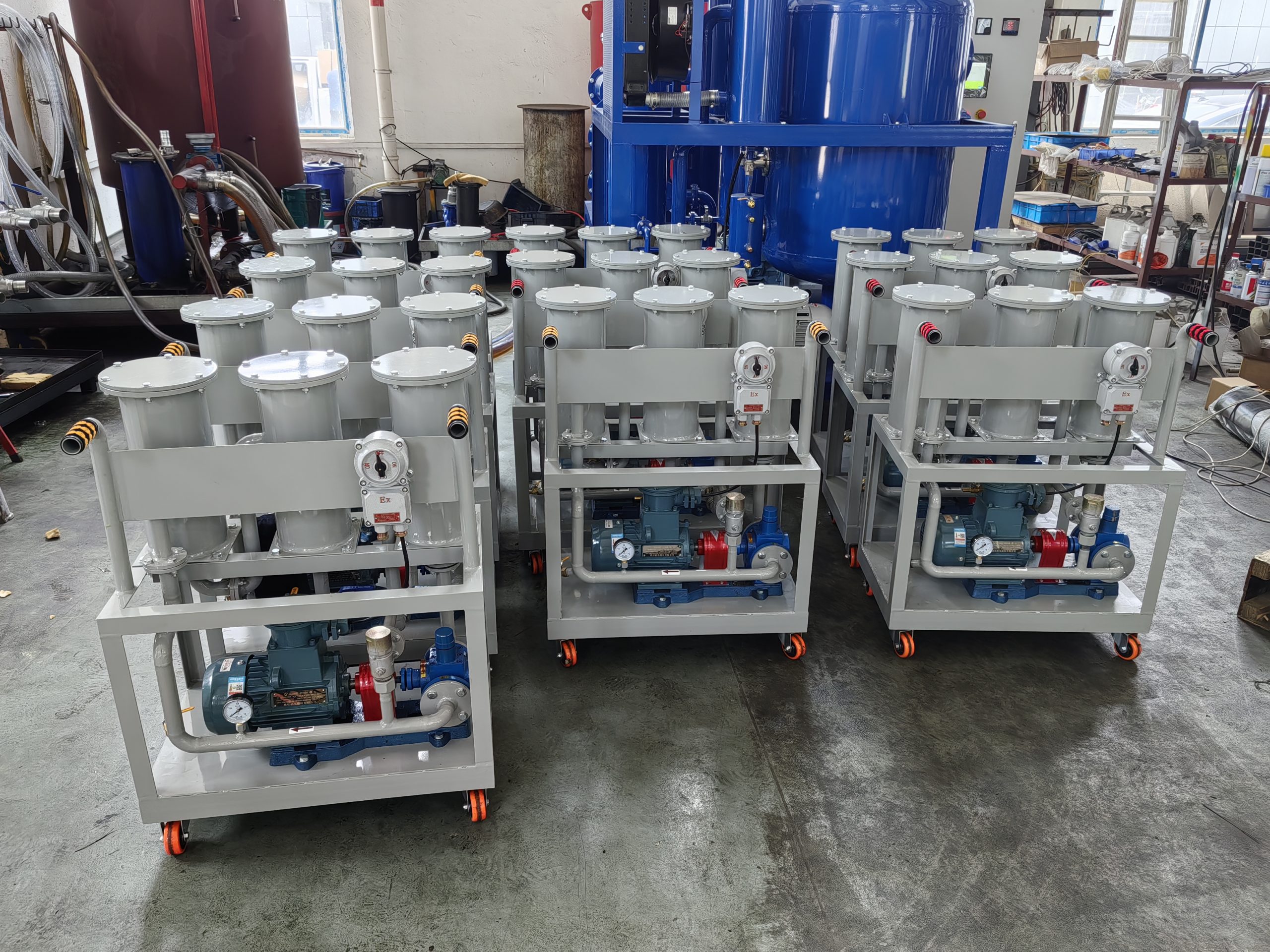
Solcrest developed a compact, skid-mounted treatment package integrating multiple filter vessels, a fuel transfer pump, interconnecting piping, valves, gauges, electrical controls, and a heavy-duty mobile frame. The first unit established the design standard for the succeeding systems.
Following the client’s acceptance of the initial unit, the requirement was expanded to a total of 10 standardized portable fuel polishing systems for deployment across multiple locations.
- System Type: Portable Skid-Mounted Fuel Polishing System
- Quantity: 10 Complete Units
- Application: On-Site Treatment of Contaminated Automotive Diesel Oil
- Nominal Flow Rate: Approximately 80–100 Liters per Minute per Unit
- Filtration Arrangement: Multi-Stage Progressive Fuel Filtration
- Final Filtration Rating: Up to 5 Microns
- Contaminants Addressed: Free Water, Sludge, Rust, Sediments and Suspended Particulates
- Pump Type: Industrial Fuel Transfer Pump
- Motor Rating: Approximately 2.2–4.0 kW per Unit
- Electrical Supply: 220 V, Single-Phase, 60 Hz
- Control Arrangement: Local Start/Stop Control with Motor Protection
- Mobility Feature: Heavy-Duty Caster Wheels and Compact Steel Frame
- Connections: Fuel-Rated Suction, Discharge and Recirculation Connections
- Construction: Fabricated Steel Skid with Integrated Filter Vessels, Pump, Piping and Controls
- Intended Use: Temporary Deployment to Retail Fuel Stations and Other Fuel Storage Facilities
Our Client’s Challenge
The client needed a mobile fuel-treatment solution that could be transported between retail fuel stations and rapidly deployed whenever diesel contamination was identified.
Fuel stored for extended periods may accumulate free water, sludge, sediments, rust particles, and fine suspended contaminants. Continued use of contaminated diesel can lead to clogged filters, injector fouling, corrosion, poor combustion, and equipment failure.
The client therefore required a system that would:
- Be compact and easy to transport between sites
- Operate using the electrical supply commonly available in Philippine facilities
- Remove free water and solid contaminants from stored diesel
- Support tank-to-system recirculation during treatment
- Be simple and safe for trained field personnel to operate
- Allow convenient inspection and replacement of filter elements
- Withstand repeated mobilization and field deployment
- Be standardized for fabrication in multiple identical units
- Provide sufficient treatment capacity without requiring permanent installation
The initial system also needed to function as a proven design that could be replicated consistently for future units.
Our Approach And Solution
Solcrest converted the client’s operational requirements into a standardized and portable fuel polishing package suitable for repeated field deployment.
The engineering process considered treatment capacity, filtration stages, pump selection, electrical requirements, operator accessibility, equipment protection, mobility, and ease of maintenance. The system arrangement was optimized to keep the overall footprint compact while providing clear access to filter housings, valves, gauges, and serviceable components.
The project scope covered:
- Review of the client’s operational and deployment requirements
- Development of the overall system concept and treatment sequence
- Preparation of general arrangement and fabrication drawings
- Hydraulic review and selection of the appropriate transfer pump
- Selection of filter vessels, filter elements, valves, gauges, and fittings
- Design of the multi-stage filtration arrangement
- Design and fabrication of the portable structural frame
- Integration of heavy-duty caster wheels for site mobility
- Fabrication and assembly of fuel piping and connections
- Installation of suction, discharge, drain, and recirculation provisions
- Integration of the pump, motor, and coupling arrangement
- Installation of the local electrical control and protection system
- Painting and protective coating of the fabricated frame and piping
- Dimensional, visual, and workmanship inspection
- Motor rotation and electrical-function checks
- Leak testing of piping and filter-vessel connections
- Functional testing of pump and filtration operation
- Standardization of components across all 10 units
- Preparation of operating and maintenance recommendations
- Final inspection, packing, and delivery coordination
The first completed unit was reviewed as the production model. Once accepted, the same engineering configuration and fabrication standards were applied to the remaining units to maintain consistency in performance, maintenance, spare parts, and operator familiarity.
Project Outcome
The project was successfully completed with the fabrication and delivery of 10 portable fuel polishing systems for multi-site deployment.
The completed units provided the client with a standardized fleet of mobile fuel-treatment equipment capable of supporting on-site diesel recovery activities at retail fuel stations and other fuel-storage facilities.
The systems allowed field teams to address fuel contamination without relying on permanent filtration installations or immediately disposing of recoverable diesel. Their compact design, integrated controls, serviceable filter arrangement, and mobile frames improved deployment flexibility and operational readiness.
The expansion from the original single-unit requirement to 10 units demonstrated the client’s confidence in the practicality, repeatability, and field suitability of the design.
The project also demonstrated Solcrest’s capability to deliver custom-engineered equipment from concept development through detailed design, fabrication, testing, standardization, and multi-unit production.